
Helping is natural, but when support comes too quickly or always looks the same, children may begin waiting for the prompt instead of trying independently. Learn how fading and a brief pause can create room for confidence to grow.
Read More
One of the greatest hopes parents have when their child begins ABA therapy is simple: "I hope they can do this at school, too". Whether it is asking for help, following directions, waiting their turn, or joining classmates during play, the real goal is never for a skill to stay inside a therapy session.
Read More
In our previous blogs, we explored how everyday experiences create meaningful opportunities for children to learn and grow. At the same time, one challenge many families face throughout the year is finding a healthy balance between screen time and the world beyond the screen.
Read More
Summer often brings something children have less of during the school year: time. Time to explore, linger, try new things, and experience the world at a different pace. It also offers something we recently discussed through Natural Environment Teaching (NET): the chance to let learning happen where life is already happening.
Read More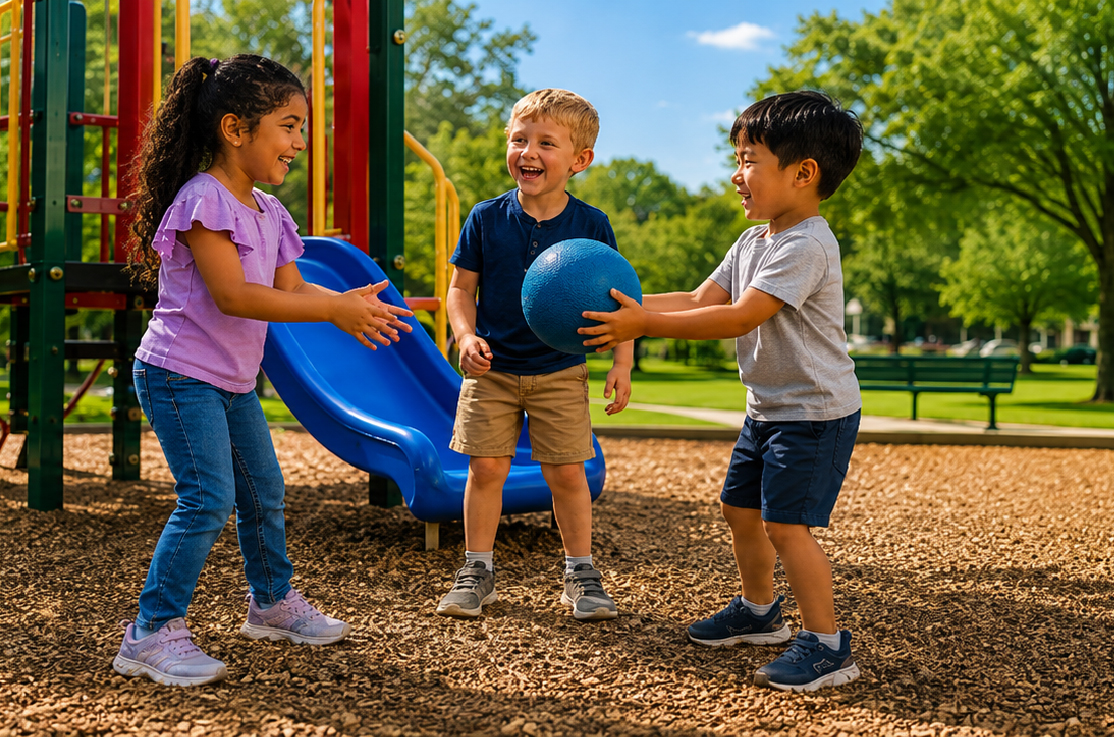
When families think about ABA (Applied Behavior Analysis) therapy, they may picture a child sitting at a table practicing skills one by one. That can absolutely be part of ABA, and for some skills, it can be very helpful. But it is not the whole picture.
Read More
Some moments in parenting catch our attention right away: a child flapping their hands when they are excited, lining up toys with great focus, or repeating the same movement or sound again and again. These behaviors can be easy to notice, and for many parents, they naturally bring questions, curiosity, and at times, concern.
Read More
Eye contact is one way humans often share attention and understand one another. When children look toward someone’s face, they can notice expressions, recognize when someone is speaking to them, and gather small social cues that help interactions flow more easily.
Read More
When you first look at your child’s ABA treatment plan, whether it’s in an app, a portal, or shared during a meeting, it can feel like a lot. There may be charts, numbers, and words that sound very clinical. If you have ever looked at it and felt unsure about how it connects to your child’s everyday life, that reaction is completely natural.
Read More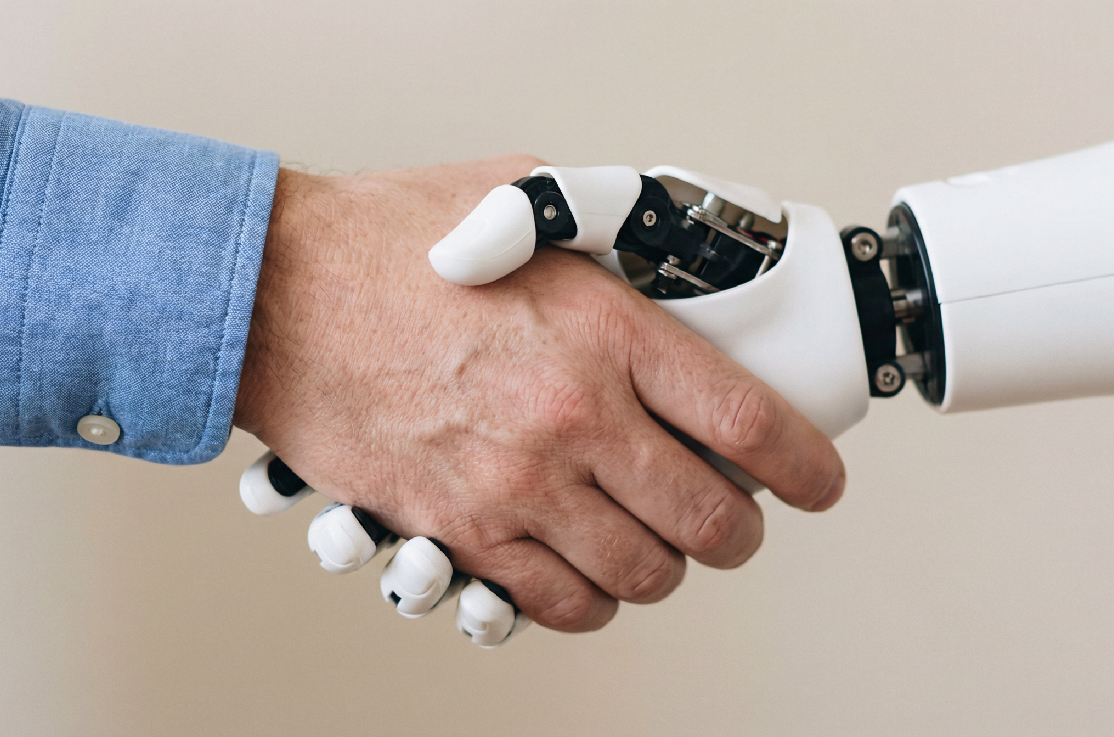
Artificial Intelligence (AI) is no longer a future concept. It is already part of everyday life suggesting what we watch, helping doctors read scans, and organizing large amounts of data in seconds. Applied Behavior Analysis (ABA) therapy is no exception. In 2026, AI tools are increasingly present in data systems, scheduling platforms, and clinical documentation.
Read More